In hotel non ho avuto bisogno di chiedermelo.
È stato il lavoro stesso a consolidare la mia posizione.
Una settimana dopo l’udienza, Rosa ed io abbiamo esaminato le questioni preliminari relative all’accordo extragiudiziale davanti a un caffè nel suo ufficio. Dalle finestre si godeva la vista su Seattle e una pila di contratti era appoggiata vicino all’angolo della sua scrivania.
Stava leggendo un documento aggiornato quando mi ha guardato.
“Tua madre ha costruito i suoi progetti su un’immagine di te che ha smesso di essere accurata molto tempo fa”, ha detto.
Ho riflettuto sulla dichiarazione.
Poi Rosa continuò.
“Non ti ha sottovalutato per caso. Era più facile che aggiornare le sue convinzioni.”
Ho appoggiato la tazza di caffè.
Quell’osservazione mi mise a disagio perché spiegava qualcosa che avevo faticato a definire fin dall’infanzia.
Mia madre non aveva mai avuto bisogno di dirmi che ero incapace. Le era bastato essere certa che Marcus possedesse gli istinti che a me mancavano.
Quando le prove contraddicevano tale convinzione, lei considerava le prove stesse come il problema.
L’acquisizione dell’hotel avrebbe dovuto incuriosirla riguardo al mio lavoro. Invece, ha dato per scontato che ci fossero soldi che non mi ero guadagnato.
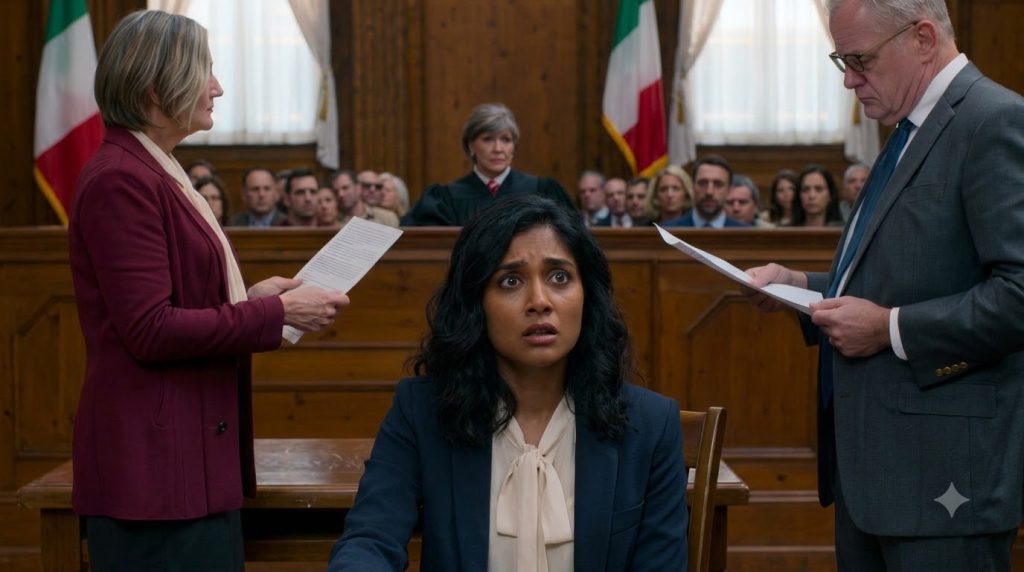
I documenti finanziari avrebbero dovuto rispondere alle sue domande. Invece, ha continuato a insistere sulla questione finché il tribunale non l’ha obbligata a riconoscere di non possedere alcuna prova di un trasferimento di proprietà.
Rosa mi osservò per un momento.
“La causa non ha mai riguardato veramente i soldi”, ha detto.
I looked down at the documents.
“No,” I answered.
The money was real, of course. My mother had suffered serious financial losses, and her demand would have represented a substantial amount of relief.
But the accusation had been built around a familiar belief: that I couldn’t possibly have built something substantial without help from the family.
The legal dispute was one more attempt to make that belief fit the facts.
I finished my coffee while Rosa returned to the settlement paperwork.
We had terms to review, invoices to verify, and signatures to arrange. There was nothing mysterious about the work. It was a series of ordinary professional tasks, each with a clear purpose.
For once, I found that reassuring.
Later, when I thought about the house in Bellevue, I didn’t remember only the dismissive comments. I remembered summer afternoons in the backyard, the sound of my father’s car in the driveway, and the way sunlight crossed the dining room table when the curtains were open.
I also remembered being eleven years old and learning that a gentle voice could still leave a lasting wound.
I could hold both memories without allowing either to dictate what I did next.
My mother remained my mother. Marcus remained my brother. The history between us was complicated, and no court could make it simple.
But the hotel belonged to me. The company was mine to operate. The financial records showed what I had earned and how I had earned it.
Those were not matters that required another family discussion.
One morning, after reviewing the latest occupancy numbers, I walked through the Aldermir lobby toward the glass entrance. Outside, the Seattle sky was pale and overcast, and traffic moved steadily along the street.
My phone vibrated with a routine work message.
I answered it, checked the appointment waiting on my calendar, and continued with my day.
There was no dramatic moment in which the past disappeared. No family gathering where everyone finally agreed about who I had become.
There was simply the ordinary freedom of moving through a life I’d built, making decisions without waiting for permission from people who had decided long ago what I was supposed to be.
I thought about the dining room table in Bellevue and the bread basket I’d reached for when I was eleven.
For years, I had treated each small dismissal as something I needed to remember, as though keeping an accurate count would eventually help me explain the pattern.
I no longer needed to count.
The records had spoken where my explanations never could.